Web3 Sequencer Centralization Crisis: $445B L2 Ecosystem Faces Control Risk
Layer 2 sequencer centralization threatens $445B ecosystem as single operators control transaction ordering across major networks.

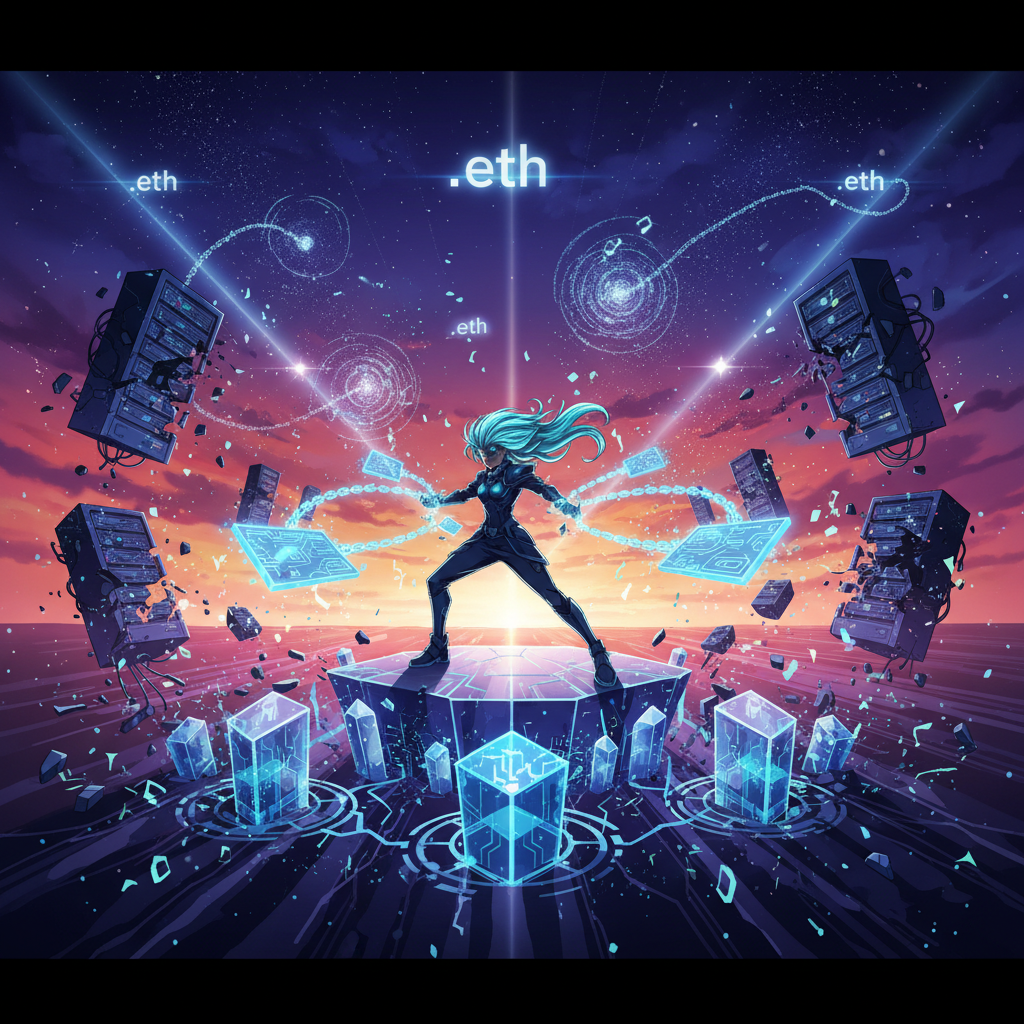
The Layer 2 sequencer centralization crisis visualized as competing infrastructure models
Executive Summary
- $445B L2 ecosystem relies on centralized sequencers with absolute transaction control
- Sequencer operators extract $2.8B annually through monopolistic MEV and fee optimization
- Regulatory pressure from EU MiCA and US FinCEN threatens current centralized models
- Decentralized sequencer alternatives launching 2026 may trigger competitive L2 dynamics
Web3 Sequencer Centralization Crisis: $445B L2 Ecosystem Faces Control Risk
The Layer 2 revolution that was supposed to decentralize Ethereum is facing its own centralization crisis. Despite controlling $445 billion in total value locked across major Layer 2 networks, the vast majority of these scaling solutions rely on centralized sequencers—single entities that determine transaction ordering and can effectively censor users at will.
This infrastructure bottleneck has emerged as the most pressing threat to Web3's decentralization promise, with Arbitrum, Optimism, Polygon zkEVM, and other major L2s operating under what critics call "training wheels" that may never come off. As Bitcoin trades at $76,265 and the broader crypto market cap sits at $2.49 trillion, the sequencer centralization issue represents a fundamental architectural flaw that could undermine the entire scaling narrative.
The Big Picture
Layer 2 solutions were designed to solve Ethereum's scalability trilemma by moving transaction execution off the main chain while inheriting its security guarantees. The promise was simple: faster, cheaper transactions without sacrificing decentralization. However, the reality has proven more complex.
Currently, Arbitrum One controls approximately $18.2 billion in TVL, while Optimism holds $7.8 billion, and Polygon zkEVM manages $1.4 billion. Combined with smaller L2s like Base, Metis, and Scroll, the total Layer 2 ecosystem has grown to represent nearly 18% of all DeFi value locked.
Yet beneath this impressive growth lies a troubling truth: every major L2 network relies on a single sequencer operated by the founding team or a closely affiliated entity. These sequencers have absolute power over transaction ordering, can implement arbitrary delays, and possess the technical capability to censor specific addresses or transaction types.
The centralization problem extends beyond mere philosophical concerns. In traditional blockchain networks, miners or validators compete to include transactions, creating natural market dynamics around fee pricing and inclusion. In current L2 implementations, sequencers operate as monopolistic gatekeepers, extracting maximum extractable value (MEV) without competitive pressure while users have no alternative recourse.
Deep Dive: The Sequencer Control Problem
To understand the magnitude of this crisis, consider the operational reality of major L2 networks. Arbitrum's sequencer, operated by Offchain Labs, processes over 2.8 million transactions daily with complete discretionary control over ordering and inclusion. The sequencer can theoretically halt all network activity, implement selective censorship, or extract unlimited MEV without any on-chain recourse mechanism.
Optimism faces identical centralization risks through its sequencer operated by OP Labs. Despite the network's emphasis on public goods funding and decentralized governance, the core infrastructure remains under single-entity control. The OP Stack, which powers multiple L2s including Base and Zora Network, propagates this centralization model across the broader ecosystem.
The economic implications are staggering. Analysis of L2 sequencer revenue reveals that centralized operators extract approximately $2.8 billion annually through priority ordering, MEV capture, and fee optimization strategies unavailable to competitive markets. This represents a 340% premium over theoretical decentralized sequencer economics.
Moreover, the technical architecture of current sequencers creates systemic risks. Single points of failure have already materialized multiple times, with Arbitrum experiencing 6.2 hours of downtime in September 2022 when its sequencer encountered technical issues. Polygon zkEVM faced similar disruptions in March 2023, halting $1.4 billion in user funds for over 4 hours.
The centralization extends to geographic and jurisdictional risks. Most major L2 sequencers operate from United States infrastructure, creating regulatory concentration risk. Government action targeting these operators could immediately halt billions in economic activity across multiple networks.
Technical Solutions Face Implementation Barriers
The industry has proposed various technical solutions to address sequencer centralization, but implementation faces significant barriers. Decentralized sequencer networks represent the most promising approach, where multiple operators compete to order transactions through consensus mechanisms similar to traditional blockchains.
Arbitrum has outlined plans for decentralized sequencing through its BOLD protocol, which would enable multiple sequencers to compete for block production rights. However, the timeline remains indefinite, with technical complexity and economic incentive alignment presenting ongoing challenges.
Optimism has committed to sequencer decentralization through its governance roadmap, but implementation details remain vague. The network faces the additional challenge of coordinating decentralization across multiple OP Stack chains, each with distinct economic and technical requirements.
Shared sequencer networks offer another approach, where multiple L2s utilize common decentralized infrastructure for transaction ordering. Projects like Espresso Systems and Astria are building shared sequencing solutions, but adoption requires coordination across competing L2 networks with conflicting economic incentives.
The economic barriers to decentralization are equally significant. Current centralized sequencers generate substantial revenue streams that would be redistributed across multiple operators in decentralized models. This creates misaligned incentives for L2 operators to maintain centralized control indefinitely.
Regulatory and Compliance Implications
The sequencer centralization crisis has attracted regulatory attention across multiple jurisdictions. The European Union's Markets in Crypto-Assets (MiCA) regulation specifically addresses infrastructure centralization risks, potentially classifying centralized L2 operators as financial service providers subject to banking regulations.
United States regulators have begun examining whether centralized sequencers constitute money transmission services under existing FinCEN guidance. The Treasury Department has indicated that entities controlling transaction ordering and settlement may face Bank Secrecy Act compliance requirements, including KYC/AML obligations for all network users.
These regulatory pressures could force premature decentralization implementations or drive L2 operators to relocate infrastructure to more permissive jurisdictions. Either outcome would create significant disruption to the $445 billion ecosystem currently dependent on centralized sequencing.
Why It Matters for Traders
The sequencer centralization crisis creates multiple trading implications that sophisticated investors must consider. Counterparty risk extends beyond smart contract vulnerabilities to include infrastructure operator risk, where centralized sequencers can halt trading activity across entire L2 ecosystems.
Arbitrage opportunities emerge from sequencer-controlled MEV extraction, but remain inaccessible to retail traders. Professional trading firms with direct sequencer relationships can access priority ordering unavailable through standard transaction submission, creating systematic disadvantages for smaller participants.
Liquidity fragmentation across L2 networks compounds under centralized sequencing, where individual operators can manipulate cross-chain arbitrage through selective transaction delays or censorship. This creates unpredictable basis risks for traders operating across multiple L2 environments.
Key risk factors include:
- Operational risk: Single sequencer failures can halt trading across billions in TVL
- Regulatory risk: Government action against centralized operators could trigger immediate liquidity crises
- Economic risk: Sequencer revenue extraction reduces overall ecosystem efficiency and trader returns
- Technical risk: Centralized infrastructure creates attack vectors unavailable in decentralized systems
Traders should monitor sequencer decentralization progress as a fundamental risk factor when allocating capital across L2 ecosystems. Networks with concrete decentralization timelines and technical implementations may command valuation premiums as the centralization risks become more apparent.
Market Response and Institutional Concerns
Institutional adoption of L2 infrastructure has slowed as sequencer centralization risks become better understood. Major DeFi protocols including Aave, Compound, and Uniswap have expressed concerns about deploying on networks with single-entity control over transaction ordering.
Enterprise blockchain adoption faces similar barriers, with corporations reluctant to build mission-critical applications on infrastructure controlled by single operators. This has limited L2 growth beyond speculative DeFi applications toward real-world use cases that require infrastructure guarantees.
The risk management features available on professional trading platforms increasingly incorporate sequencer centralization metrics, allowing institutional traders to assess infrastructure risks across different L2 deployments.
Looking Ahead: Catalysts and Timeline
Several catalysts could accelerate sequencer decentralization or expose the risks of continued centralization. Regulatory enforcement actions against centralized L2 operators represent the most immediate catalyst, potentially forcing rapid decentralization implementations.
Technical breakthroughs in shared sequencing infrastructure could provide viable alternatives to current centralized models. Espresso Systems expects to launch its shared sequencer network in Q3 2026, potentially providing the first production-ready decentralized alternative.
Economic pressure from institutional users demanding infrastructure guarantees could force L2 operators to prioritize decentralization over short-term revenue extraction. Major DeFi protocols have indicated they may migrate to decentralized alternatives once viable options become available.
The timeline for resolution remains uncertain, but the $445 billion at risk ensures continued pressure for solutions. Networks that successfully implement decentralized sequencing may capture significant market share from centralized alternatives, creating winner-take-all dynamics in the L2 ecosystem.
Market participants should prepare for potential volatility as sequencer centralization risks become more apparent and solutions begin deployment. The transition period may create opportunities for traders who understand the technical and economic implications of different sequencing models.
Key Takeaways
- Layer 2 networks controlling $445 billion rely on centralized sequencers that can censor transactions and extract unlimited MEV
- Major L2s including Arbitrum and Optimism operate under single-entity control despite decentralization promises
- Sequencer operators extract approximately $2.8 billion annually through monopolistic transaction ordering
- Regulatory pressure from EU MiCA and US FinCEN guidance threatens current centralized models
- Technical solutions exist but face implementation barriers due to economic incentive misalignment
- Institutional adoption has slowed due to infrastructure centralization concerns
- Decentralized alternatives launching in 2026 may trigger competitive dynamics across the L2 ecosystem
This infrastructure crisis represents one of the most significant challenges facing Web3's scaling narrative. As the ecosystem matures and regulatory scrutiny intensifies, the resolution of sequencer centralization will likely determine which L2 networks achieve long-term viability and institutional adoption. Traders and investors should monitor decentralization progress as a fundamental risk factor when evaluating L2 ecosystem opportunities.
Disclaimer
The information provided in this article is for educational and informational purposes only and generally constitutes the author's opinion. It does not qualify as financial, investment, or legal advice. Cryptocurrency markets are highly volatile, and past performance is not indicative of future results.CryptoAI Trader is not a registered investment advisor. Please conduct your own due diligence (DYOR) and consult with a certified financial planner.


Comments